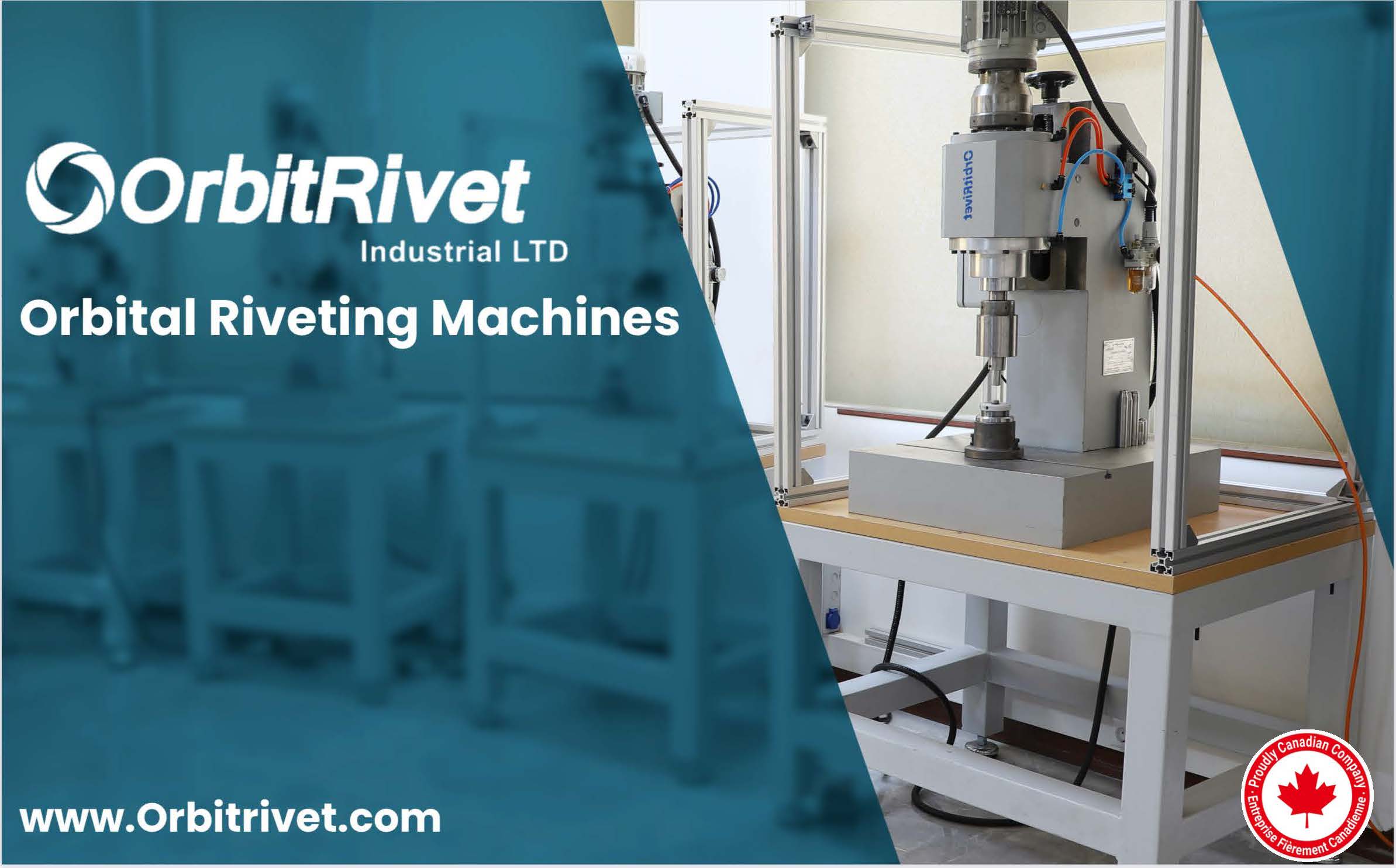
What are Orbital Rivets?
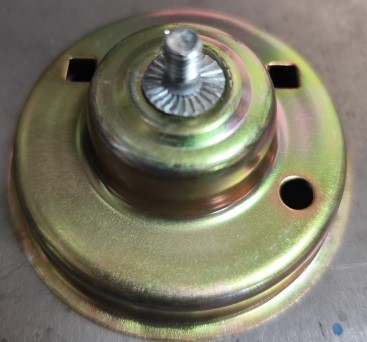
Orbital rivets, often used in precision industries such as aerospace, automotive, and electronics, are specialized fasteners designed to provide reliable, strong, and secure joints between two materials. The term “orbital” refers to the unique way these rivets are installed, often involving a rotating mechanism that ensures uniformity in placement and strength.
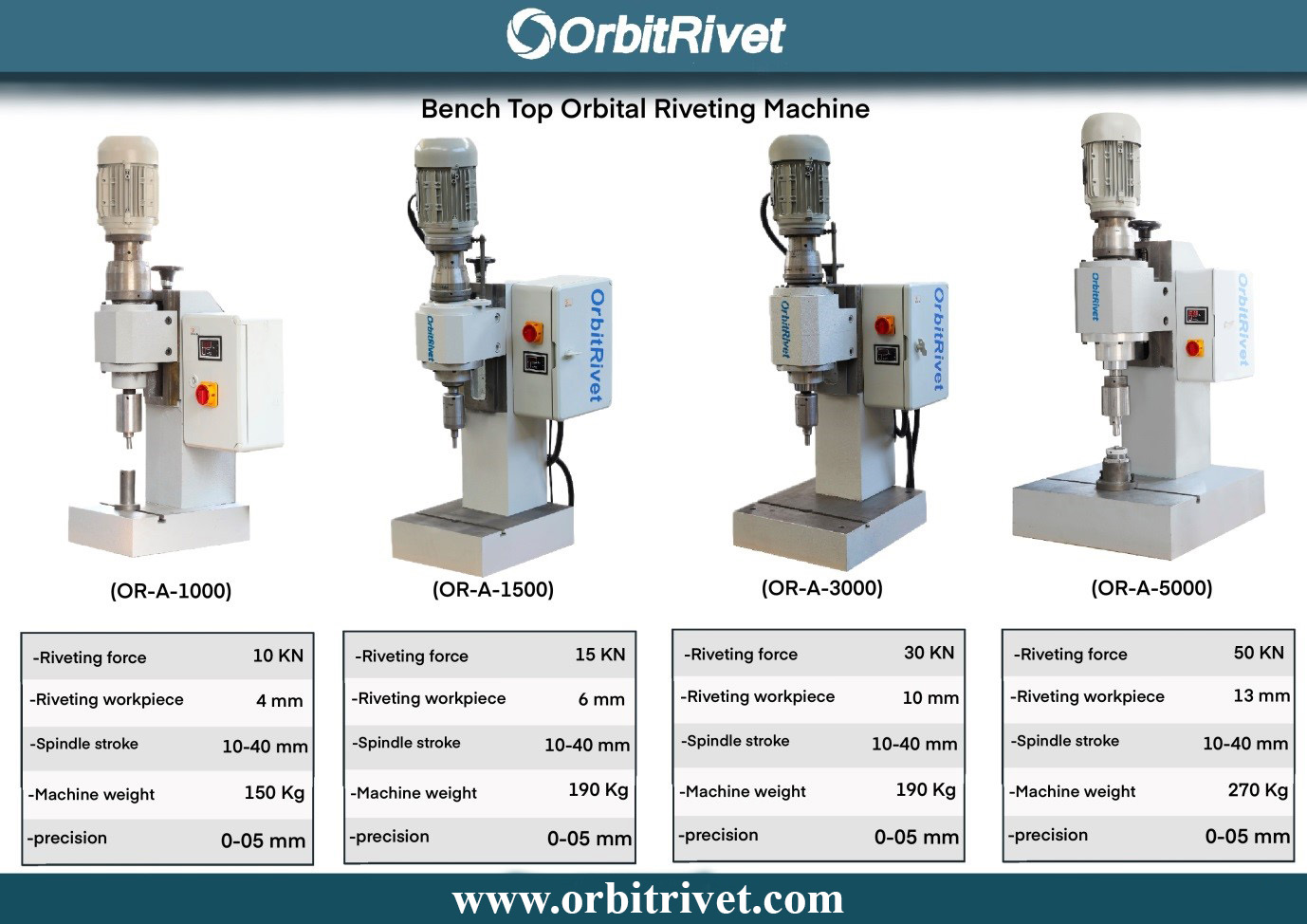
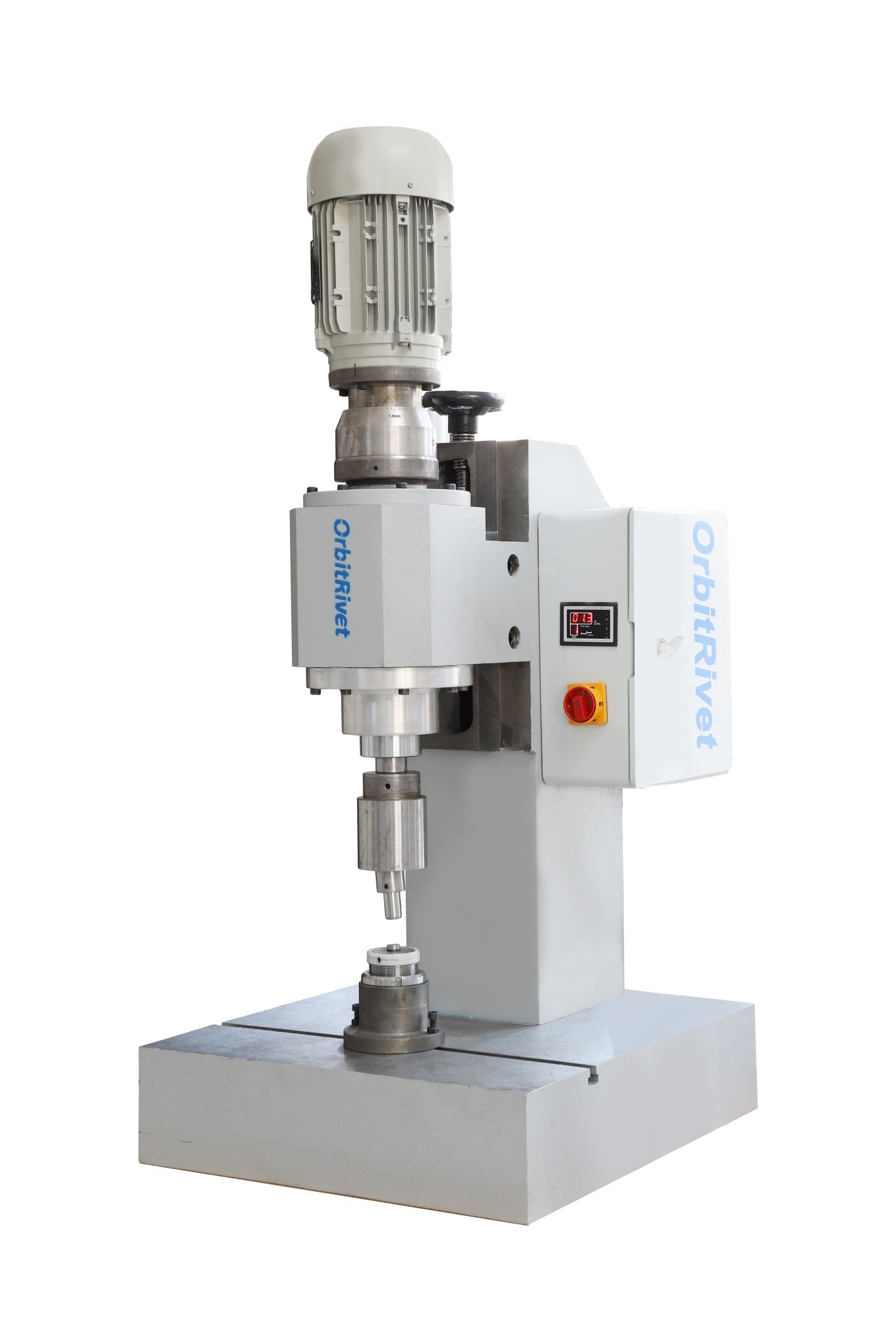
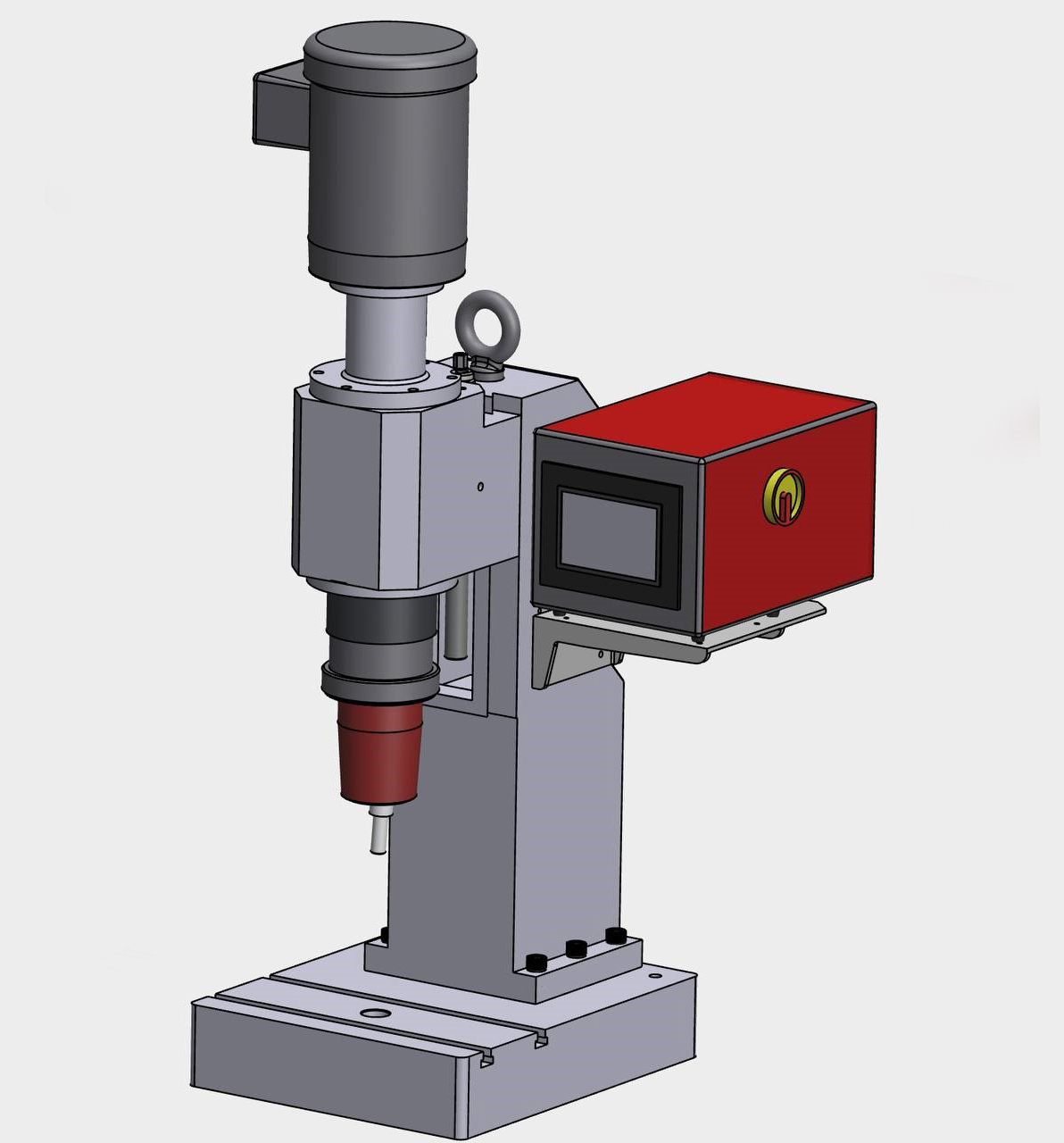
Orbital Riveting Machine
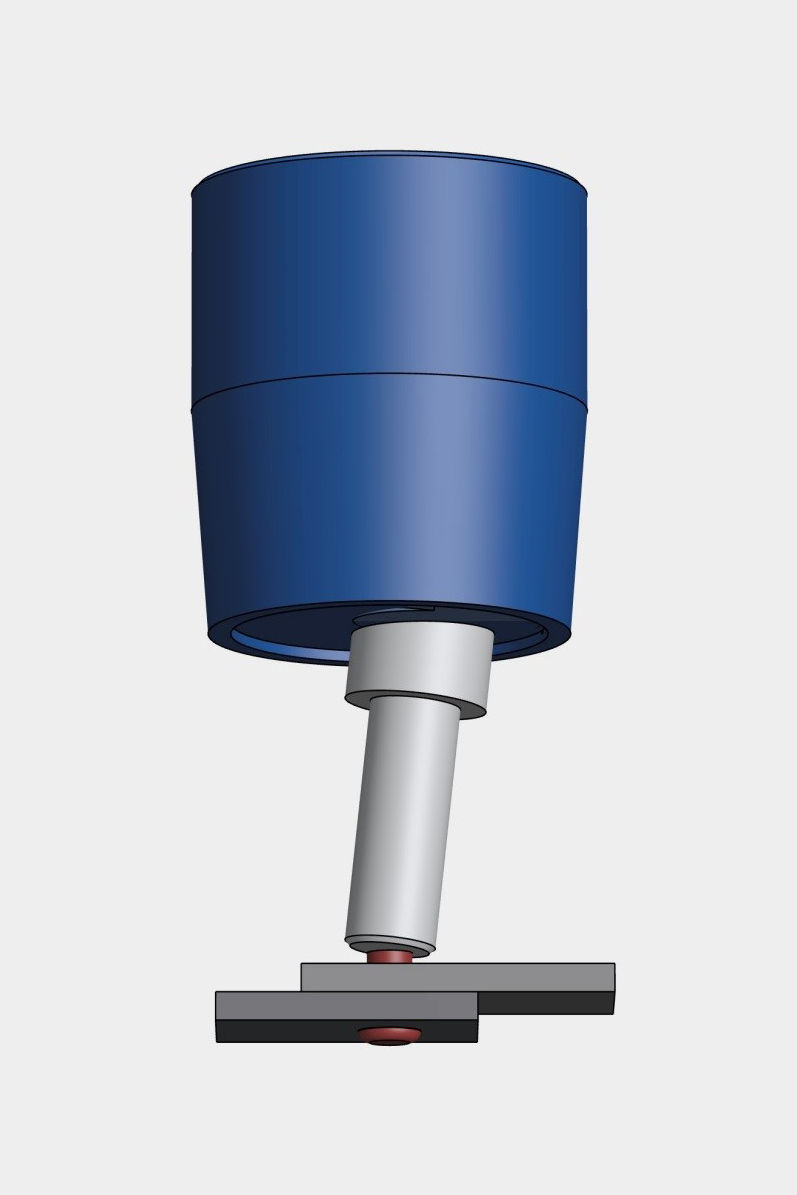
How Do Orbital Rivets Work?
Orbital riveting is a process in which a rivet is installed by rotating it into place while applying controlled pressure. The rotational motion allows the rivet to deform in a way that creates a secure bond, often used where other traditional riveting or fastening techniques might not be feasible.
Unlike conventional rivets, orbital rivets are typically installed using automated machinery, ensuring precision and consistency across high-volume applications. This method is particularly useful in environments where vibration, temperature fluctuations, or stress factors are present, requiring an extra layer of reliability.
Advantages of Orbital Rivets
1. Precision and Accuracy: The rotational motion ensures a perfect fit and uniform deformation, resulting in a strong, consistent joint every time.
2. Reduced Risk of Material Damage: The orbital riveting process minimizes the risk of damaging delicate materials during installation, which is essential in industries like aerospace or electronics.
3. High Strength and Durability: Orbital rivets create exceptionally secure bonds that can withstand high-stress environments.
4. Versatility: Orbital riveting can be used in various applications, including those with limited space or hard-to-reach areas, thanks to the flexibility of the installation process
Applications of Orbital Rivets
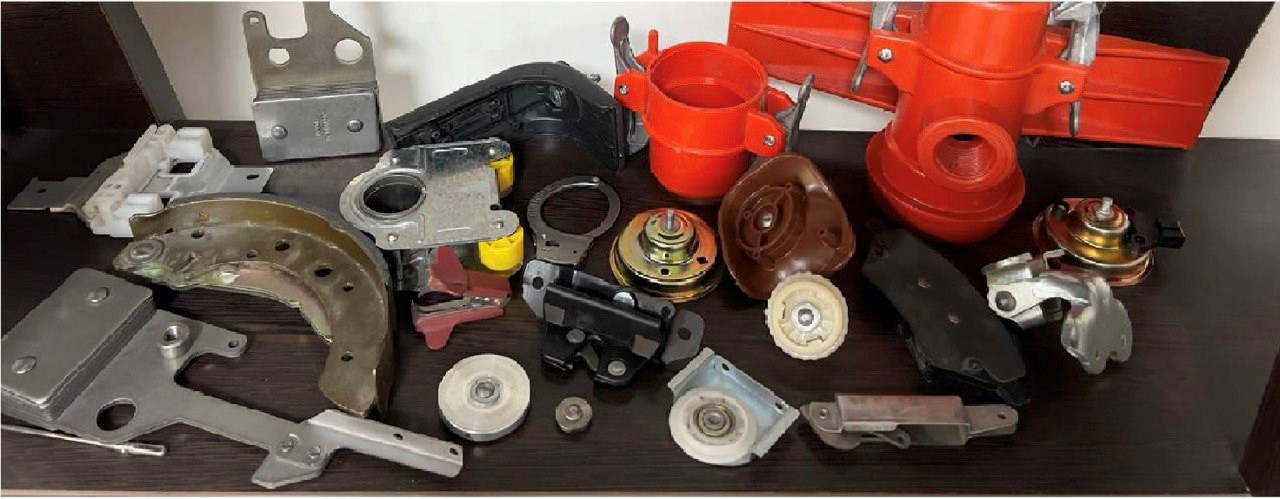
Orbital rivets are widely used in industries that require precise, high-performance fastening. Here are a few examples:
• Aerospace: In aircraft manufacturing, orbital rivets ensure a strong connection between parts that are subjected to high-pressure and fluctuating temperature conditions.
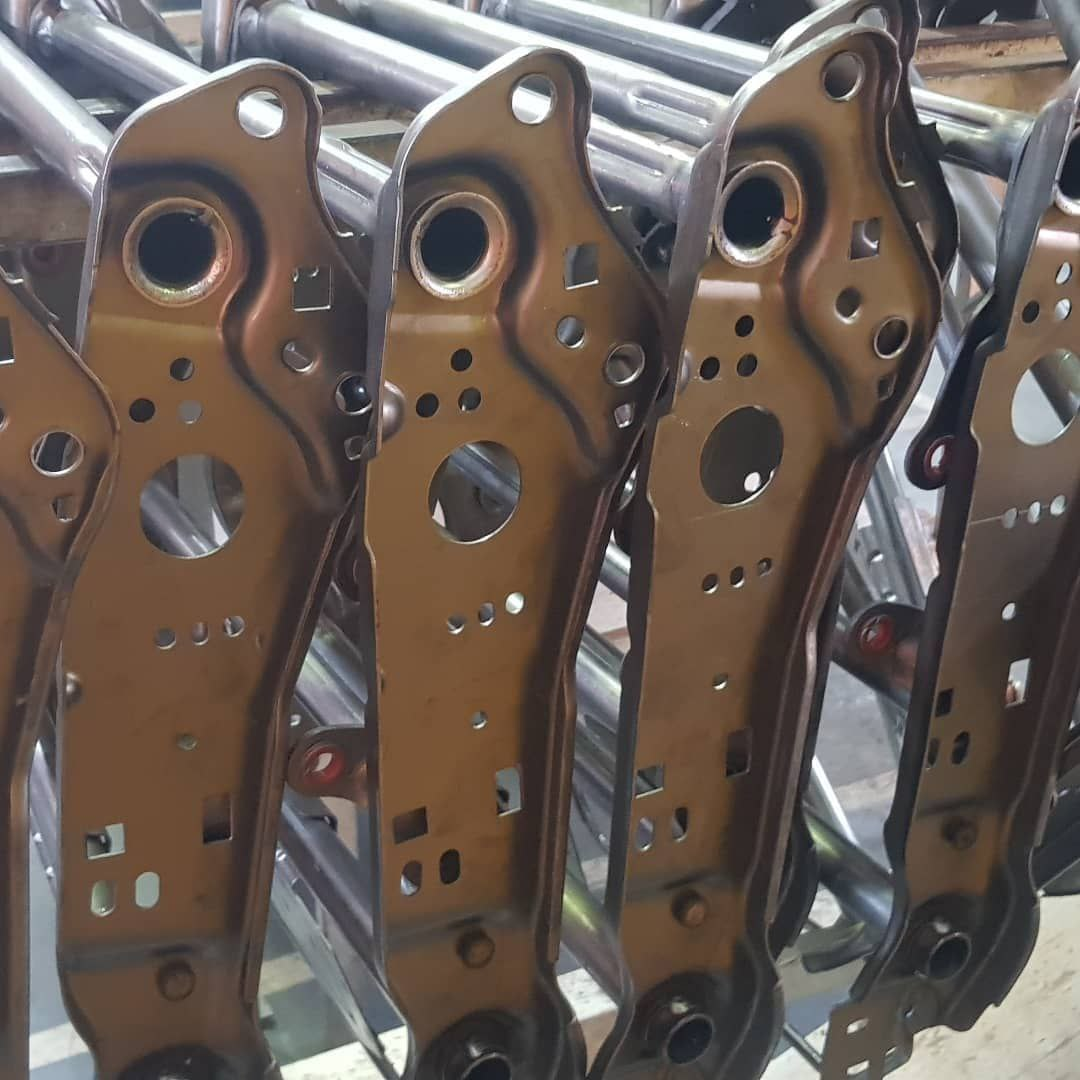
• Automotive: For parts that require a strong yet lightweight bond, orbital rivets provide an efficient solution without compromising performance.
• Electronics: Orbital riveting is used to secure components in electronic devices, where precision and minimal stress on components is paramount.
• Medical Devices: In the medical industry, where equipment must meet strict standards for safety and reliability, orbital rivets are used to fasten intricate compose

Choosing the Right Orbital Rivet for Your Application
When selecting orbital rivets for your application, it’s important to consider several factors:
• Material Compatibility: Choose rivets made from materials that match the materials of the parts being joined.
• Rivet Size: The size and strength of the rivet should be chosen based on the load-bearing requirements of the application.
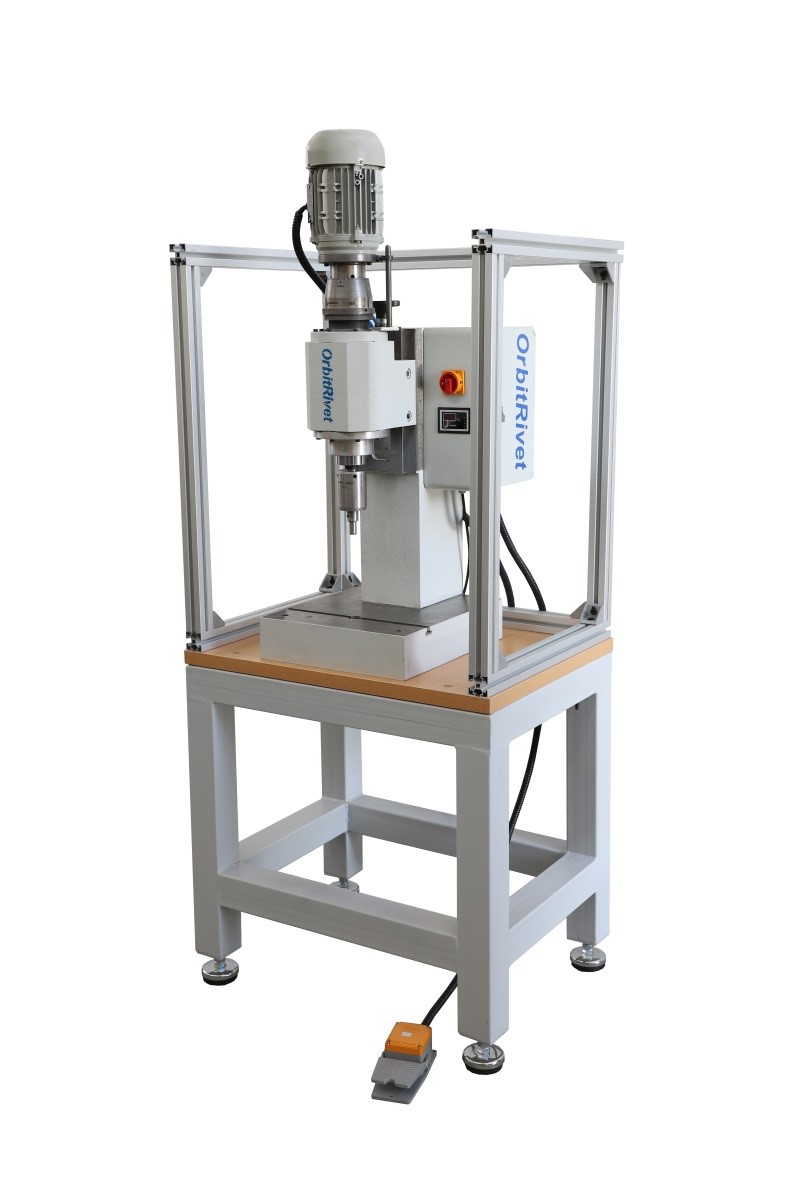
• Installation Equipment: Ensure that the right machinery is available for installing orbital rivets, as precision equipment is typically required for the best results.
Conclusion
Orbital rivets represent a cutting-edge solution for industries that require precision fastening in high-stress, high-performance environments. Their ability to provide secure, reliable connections makes them essential in everything from spacecraft to medical devices. If you’re looking for a solution that combines precision, strength, and durability, orbital rivets are an excellent choice.